
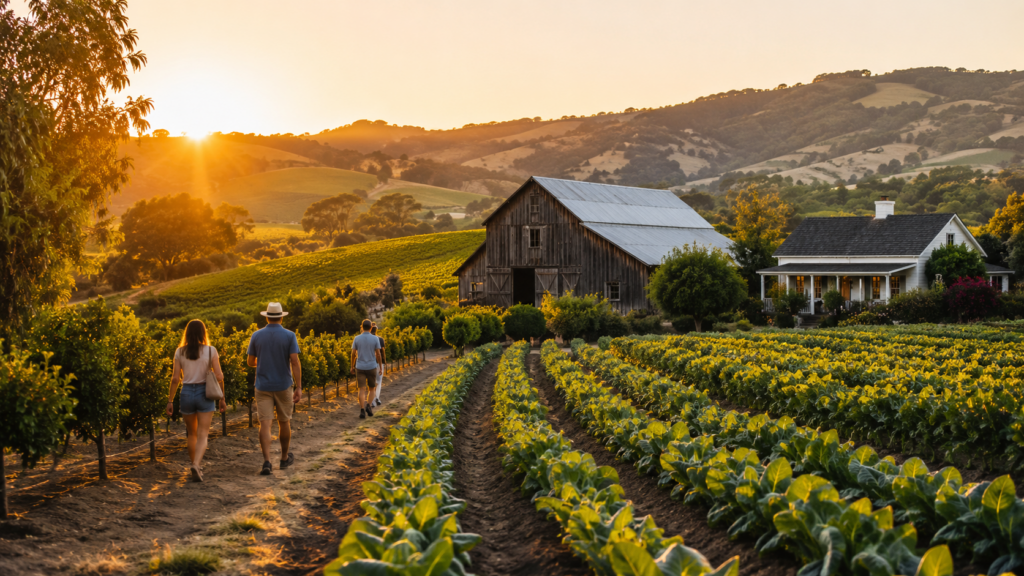
California may be famous for beaches, national parks, and major cities, but some of the state’s most memorable travel experiences happen far from its busiest attractions. Across the Golden State, working farms, ranches, orchards, vineyards, and agricultural communities are welcoming visitors who want to experience a different side of California. This growing style of travel is known as California agritourism, and it can include everything from spending the night on a farm to picking fruit, touring an orchard, enjoying a farm-to-table dinner, or meeting the people who grow the food California is known for.
Agritourism is especially appealing to travelers who want slower, more meaningful trips. Instead of simply passing through the countryside, visitors can spend time learning how crops are grown, tasting seasonal products, exploring rural communities, and supporting working farms. It is also a natural option for families, couples, food lovers, and travelers searching for California experiences that feel different from traditional sightseeing.
What Is California Agritourism?
 Agritourism generally refers to visitor experiences connected to a working farm, ranch, or agricultural operation. The University of California Agriculture and Natural Resources describes agritourism as an enterprise at a working farm or ranch that provides enjoyment or education for visitors while also creating additional income for the agricultural operator.
That definition covers much more than farm tours. California agritourism can include U-pick orchards, roadside farm stands, farm stays, ranch vacations, tastings, agricultural classes, festivals, farm dinners, horseback riding, photography, camping, and educational demonstrations. Travelers can learn more about the statewide industry through the UC Small Farms Network agritourism program.
Why Agritourism Is Growing in California
California is particularly well suited to agritourism because agriculture is such a visible part of the state’s identity. Visitors can travel through vineyards, citrus groves, berry farms, avocado-growing regions, olive orchards, ranch country, and some of the most productive agricultural valleys in the United States.
At the same time, many travelers are looking for experiences that feel more personal and less crowded. A weekend built around a farm, orchard, ranch, or rural town can offer a slower pace than a traditional attraction-heavy itinerary. UC Agriculture and Natural Resources is actively highlighting the sector in 2026, including a current industry snapshot and a statewide California Agritourism Summit, showing that farm-based tourism remains an active part of the state’s visitor economy.
Travelers Get Closer to the Source
One of the strongest reasons to choose an agritourism trip is the opportunity to see where food actually comes from. A peach tastes different when you have picked it from the tree yourself, and a farm dinner becomes more meaningful when many of the ingredients were harvested nearby.
These experiences create a stronger connection between travelers and the places they visit. Instead of California being only a collection of landmarks, it becomes a working landscape filled with growers, families, ranchers, and agricultural traditions.
Popular California Agritourism Experiences
There is no single way to experience agritourism in California. Some visitors want a quick afternoon at a farm, while others plan an entire weekend around rural lodging and local food. The variety makes agritourism easy to add to an existing California itinerary.
Stay Overnight on a Farm or Ranch
Farm stays are one of the most immersive forms of California agritourism. Depending on the property, accommodations might include a farmhouse guest room, cabin, cottage, ranch lodge, or designated camping area. Some properties offer hands-on activities, while others simply allow visitors to enjoy the surrounding agricultural landscape.
Morning routines may include watching farm activity, walking through orchards, meeting animals, or enjoying breakfast made with locally produced ingredients. For travelers who enjoyed our guide to California’s hidden gems, a rural farm stay can offer another way to discover places that sit outside the state’s best-known tourism corridors.
Visit a U-Pick Farm or Orchard
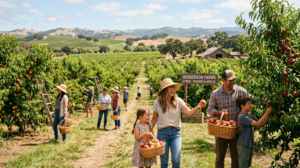
U-pick farms are among the easiest agritourism experiences for first-time visitors. Depending on the season and region, travelers may find strawberries, apples, citrus, berries, stone fruit, pumpkins, or other crops available for picking.
The experience can be especially appealing for families because it combines outdoor time with an activity children can participate in directly. Families looking for additional ideas can also explore our guide to family-friendly activities in California.
Check the Season Before You Go
Farm experiences are closely tied to growing seasons, weather, and harvest conditions. A crop that is available one month may be finished the next. Travelers should always check directly with the farm before making a long drive, especially when the main purpose of the visit is fruit picking or another seasonal activity.
Enjoy Farm-to-Table Dining
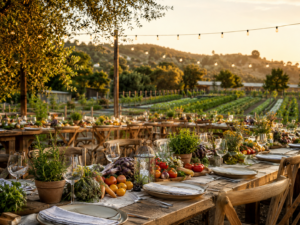 California’s farm-to-table culture fits naturally with agritourism. Some farms and ranches host seasonal dinners where guests eat outdoors near the fields, vineyards, orchards, or gardens that produced some of the ingredients.
These meals can turn dinner into a destination rather than simply another stop. Guests may meet growers, hear how ingredients were produced, or sample foods that reflect the immediate region.
Travelers interested in the connection between agriculture and food can also read What Makes California’s Wine Country So Special?, which explores another major part of the state’s agricultural tourism landscape.
Where to Experience California Agritourism
Agritourism exists throughout California, but different regions offer different experiences. The California Agricultural Tourism Directory highlights farm trails, agricultural associations, and regional visitor resources around the state.
Central Valley
The Central Valley is one of California’s agricultural heartlands, making it a natural choice for visitors interested in orchards, produce stands, seasonal crops, and farm trails. Driving through agricultural communities can reveal a side of California that many travelers miss when they stay on major highways.
Visit California highlights the Fresno County Fruit Trail as one example of a regional agricultural experience connecting family-run farms and produce stands. Travelers can use these routes to build a day around fresh fruit, local products, rural scenery, and small-town stops. More ideas are available through Visit California’s agritourism guide.
Wine Country and Northern California
Napa and Sonoma are already famous for vineyards, but Northern California agritourism extends well beyond wine tasting. Depending on the area, visitors can find cheese producers, olive farms, orchards, ranches, flower farms, and farm-to-table experiences.
For travelers who prefer food and scenery over busy sightseeing, agricultural routes can create a relaxing weekend. They can also be combined with visits to smaller communities and rural landscapes rather than only the most famous winery destinations.
Central Coast
The Central Coast combines agriculture with some of California’s most recognizable road trip scenery. Farm stands, berry growers, vineyards, ranches, and coastal agricultural landscapes can all become part of the trip.
This is a particularly good region for travelers who want to mix rural experiences with ocean views and small towns. If you are driving between agricultural destinations, our California road trip planning guide can help you structure the route without trying to fit too many stops into one day.
Southern California
Southern California also offers agricultural experiences, including citrus, dates, avocados, vineyards, flower farms, and seasonal U-pick destinations. These trips can provide a surprising contrast to the region’s beaches and cities.
A morning on a farm followed by an afternoon in a nearby town or natural area can create a more varied weekend than visiting conventional attractions alone.
Why Farm Trails Are Worth Exploring
Farm trails connect multiple agricultural businesses within a region, making them especially useful for travelers who want to explore without planning every stop individually. A trail might include orchards, farm stores, vineyards, ranches, cheese producers, or seasonal events.
UC ANR’s statewide directory currently lists regional organizations and routes such as Apple Hill, Capay Valley Grown, California Cheese Trail, and other agricultural associations. Because participating farms and seasonal hours can change, travelers should use current regional directories before visiting.
Farm Trails Turn the Drive Into the Experience
Unlike a trip built around one major attraction, farm trails encourage slower movement through the landscape. Visitors may stop for fruit at one farm, cheese at another, and a local meal later in the day.
This style of travel pairs well with the broader appeal of California road trips because the scenery between stops becomes part of the experience rather than simply travel time.
How to Plan a California Agritourism Weekend
Agritourism trips work best with a flexible itinerary. Farms operate differently from theme parks or museums, and schedules often depend on seasons, harvests, weather, staffing, and agricultural work.
Choose One Region
Instead of trying to visit farms across several counties, choose one agricultural region and explore it more deeply. This keeps driving manageable and gives you more time to enjoy individual stops.
A two-day trip might include a farm stay, one U-pick operation, a farm stand, a local restaurant, and a scenic rural drive. That is often enough to create a full experience without making the weekend feel rushed.
Confirm Hours and Reservations
Never assume a farm is open simply because it appears in an online directory. Some operations welcome visitors only on certain days, require advance reservations, or open seasonally.
Farm dinners, tours, workshops, and overnight stays are particularly likely to require advance booking. Contacting the farm before leaving can prevent wasted travel time.
Remember That These Are Working Farms
Agritourism destinations are usually active agricultural businesses first. Visitors should follow posted instructions, respect private areas, supervise children, and avoid entering fields or animal areas unless permitted.
Approaching the visit respectfully helps protect both the farm and the experience for future guests.
Agritourism Can Be an Alternative to Crowded Attractions
California’s major attractions deserve their popularity, but travelers do not always need another crowded landmark to have a memorable trip. Rural travel can provide open landscapes, local conversations, seasonal food, and slower mornings that feel very different from a packed sightseeing schedule.
Readers planning a larger California vacation can still combine both styles. Start with our guide to California’s best tourist attractions, then add a farm, orchard, or rural overnight stay between major destinations.
It Supports Local Agricultural Communities
Agritourism also gives travelers an opportunity to spend directly with farms and ranches. Buying produce, paying for a tour, booking a farm stay, or attending a farm dinner can provide another source of revenue for agricultural operators.
UC ANR specifically recognizes agritourism as a way for working farms and ranches to generate supplemental income while educating and entertaining visitors. That connection makes the experience meaningful for both travelers and agricultural communities.
When Is the Best Time for California Agritourism?
There is no single agritourism season because California’s agricultural regions produce different crops throughout the year. Spring may bring flowers and berries, summer offers stone fruit and many farm events, autumn is popular for apples, pumpkins, harvest festivals, and vineyards, while winter can bring citrus and other regional crops.
The best strategy is to choose the experience first and then research its season. Travelers interested in harvest activities may prefer fall, while families looking for U-pick berries may find better options earlier in the year.
Let the Season Shape the Trip
Part of the charm of agritourism is that every visit can feel different. Agricultural landscapes change throughout the year, and seasonal availability encourages travelers to return to the same region at another time.
Rather than expecting every attraction to be available year-round, embrace the fact that the experience reflects what is actually happening on California farms at that moment.
Final Thoughts on California Agritourism
California agritourism offers a refreshing way to experience the Golden State beyond its traditional landmarks. Farm stays, orchard visits, U-pick fields, rural trails, farm dinners, ranch activities, and seasonal events allow travelers to connect with the landscapes and people behind California agriculture.
For anyone looking for a slower weekend, a family outing, a food-focused escape, or simply something different from the usual tourist itinerary, agritourism deserves a place on the list. It can turn a simple drive through the countryside into a meaningful travel experience while introducing visitors to parts of California they might otherwise pass by.
Before planning your trip, explore the UC Small Farms Network agritourism resources, the California Agricultural Tourism Directory, and Visit California’s farm travel resources. Then choose a region, check current farm hours and seasonal activities, and build a California getaway around what is growing right now.