
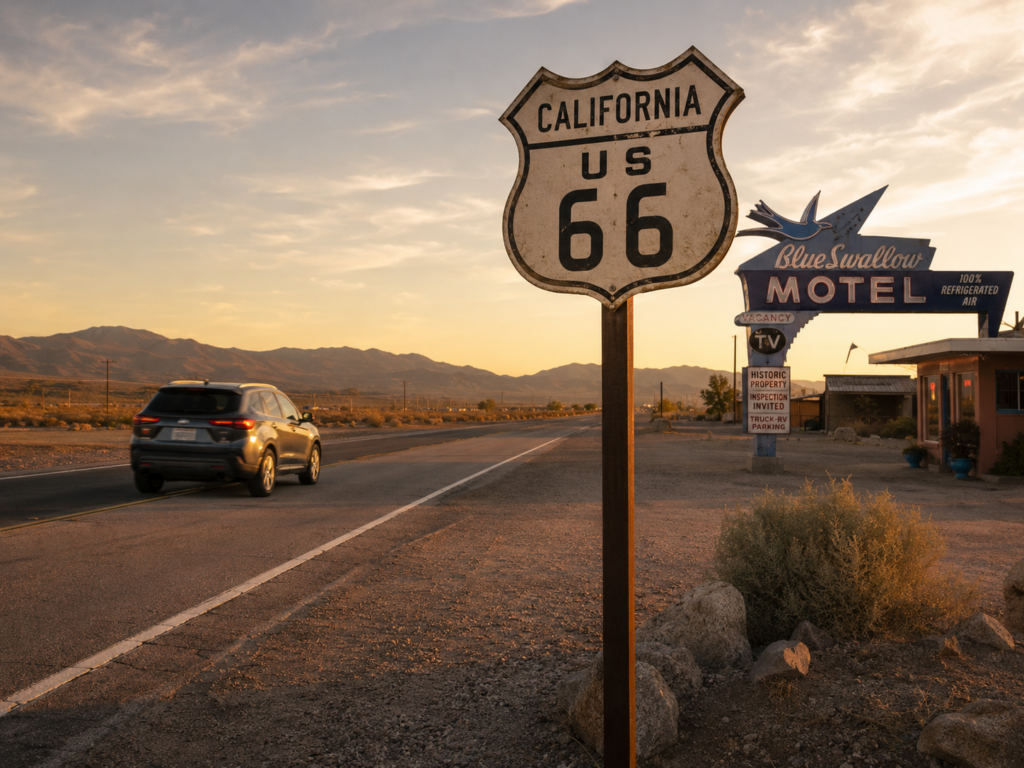
Few American road trips carry as much history, nostalgia, and personality as Route 66. The legendary highway turns 100 in 2026, making this an especially memorable year to explore its California stretch. From open desert and vintage roadside signs to historic communities and the Pacific Ocean, a California Route 66 road trip combines classic Americana with some of the state’s most distinctive landscapes.
California marks the western end of the original route, giving travelers the chance to follow the highway from the Mojave Desert toward Los Angeles and ultimately Santa Monica. Whether you are planning the entire California section or simply adding a few historic stops to a larger vacation, the centennial provides a great reason to rediscover a highway that helped shape twentieth-century American travel.
Why 2026 Is the Perfect Year for a California Route 66 Road Trip
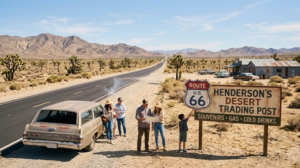 Route 66 was established in 1926, so 2026 marks its centennial. Visit California has made the anniversary a major theme in both its 2026 Visitor’s Guide and its 2026 California Road Trips Guide. The state’s tourism organization highlights the highway’s path across California’s deserts and communities before its famous finish near the Pacific Ocean.
The anniversary also gives travelers a chance to look beyond the idea of Route 66 as simply an old highway. The route represents decades of road-trip culture, family vacations, migration, roadside architecture, motels, diners, gas stations, and small businesses that once served motorists traveling west.
For readers who enjoy road-trip content, this article pairs naturally with our guide on how to plan the perfect California road trip. Route 66 is more specialized, however, because the journey is as much about history and roadside culture as it is about reaching a destination.
Route 66 Is About the Journey
Modern interstate highways are designed for speed, but Historic Route 66 rewards travelers who slow down. Many of the best experiences are not large attractions. They are old signs, restored diners, small museums, desert landscapes, historic bridges, roadside businesses, and communities that have preserved their connection to the Mother Road.
That makes the California Route 66 road trip especially appealing to travelers who enjoy photography, history, retro architecture, and unusual stops. Instead of racing from one major city to another, the goal is to notice what lies between them.
A Different Kind of California Road Trip
California is often associated with Highway 1 and the Pacific Coast Highway, but Route 66 offers a very different landscape. Much of the route begins in dry, wide-open country before gradually entering more developed parts of Southern California.
The contrast is one of the trip’s strongest features. Travelers can begin among desert mountains and open highways, pass through historic inland communities, and finish near beaches and palm trees.
Where California Route 66 Begins
Travelers following the historic route westward enter California near the Arizona border before traveling through the Mojave Desert. This section can feel dramatically different from the busy urban areas later in the trip.
The desert landscape is a major part of the experience. Wide skies, rocky mountains, small communities, and long stretches of historic roadway give this portion of Route 66 a strong sense of place.
Needles and the Colorado River Area
Needles is an important California Route 66 community near the Arizona border. For westbound travelers, it serves as one of the first major points on the California segment of the journey.
The desert climate, railroad history, and highway heritage make the area feel closely tied to the traditional Route 66 story. It is also a practical location to pause before continuing into more remote sections of the Mojave.
Prepare Before Crossing Desert Sections
Desert travel requires more preparation than many visitors expect. Temperatures can become extremely high, particularly in summer, and services may be limited along some historic alignments.
Travelers should check fuel or charging options, carry drinking water, monitor weather conditions, and make sure their vehicle is ready for long stretches of driving. Anyone exploring in an EV should also carefully plan charging stops rather than assuming infrastructure will be available everywhere along the historic road.
Best California Route 66 Stops
The California portion of Route 66 contains a mix of desert scenery, preserved roadside attractions, historic towns, and urban landmarks. Travelers do not need to stop at every location. Choosing several meaningful places often creates a more enjoyable itinerary than trying to photograph every sign along the route.
Amboy and Roy’s Motel and Café
Amboy is one of the most recognizable Route 66 locations in the California desert. The community’s iconic Roy’s Motel and Café sign has become a symbol of the Mother Road and is a favorite photography stop.
The surrounding desert enhances the experience. Instead of standing within a busy tourist district, visitors can see the historic roadside architecture against a broad Mojave landscape.
Barstow
Barstow is another major stop along the California Route 66 corridor. Its long connection to transportation, railroads, and desert travel makes it a practical place to break up the trip.
Visitors interested in roadside history can use Barstow as a base before continuing toward the San Bernardino area. The city also provides more services than some of the smaller desert communities along the route.
Victorville
 Victorville is closely connected to Route 66 history and offers travelers another chance to explore the highway’s transportation legacy. The California Route 66 Museum is one of the best-known attractions for travelers wanting more context about the route and its place in local history.
Museums can be especially useful on this kind of trip because they help explain why specific towns, businesses, and road sections matter. The experience becomes more meaningful when travelers understand how transportation changes affected the communities along the highway.
San Bernardino
Route 66 continues through San Bernardino County, an area that plays a major role in California’s highway history. By this stage of the journey, the landscape becomes more urban and travelers begin moving from open desert toward the Los Angeles metropolitan region.
This transition highlights one of the most interesting parts of the California route. Route 66 does not stay visually consistent. It changes alongside the communities and landscapes it crosses.
Historic Route 66 Through Greater Los Angeles
Once travelers reach the Los Angeles region, the Route 66 experience becomes more about historic streets, neighborhoods, commercial districts, and roadside architecture. Portions of the original route have been absorbed into modern city streets, so following it requires more attention than simply staying on one highway.
Pasadena and Nearby Communities
Historic Route 66 passed through communities such as Pasadena on its way toward Los Angeles. Travelers can find remnants of classic roadside architecture and older commercial corridors that reflect the highway era.
This is also a good point to combine historic exploration with other attractions. Readers who want additional ideas can explore our guide to California’s best tourist attractions.
Look Beyond Major Landmarks
Some of the most interesting Route 66 details are easy to miss. Restored neon signs, old motor courts, historic storefronts, and former service stations often tell more of the road’s story than major attractions do.
Travelers who enjoy finding less obvious destinations may also like our roundup of California hidden gems.
The Santa Monica Finish
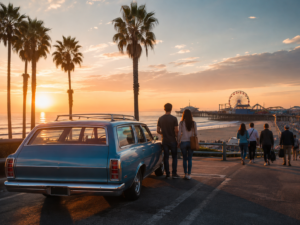
For many travelers, the emotional high point of the California Route 66 road trip is reaching Santa Monica and the Pacific Ocean. The famous Route 66 journey is commonly associated with its western conclusion near Santa Monica Pier, where visitors can celebrate completing the drive.
After crossing desert landscapes and inland communities, arriving beside the ocean provides a dramatic ending. Palm trees, beach views, and the Pacific create a setting that feels completely different from the beginning of the California route.
Why Santa Monica Makes Such a Memorable Ending
Road trips are often more satisfying when they have a clear finish line. Santa Monica provides exactly that. Travelers can park, walk near the pier, enjoy the coastline, and reflect on the changing landscapes they crossed to get there.
The ending also demonstrates why Route 66 became so strongly associated with the idea of heading west. For generations of travelers, California represented opportunity, sunshine, and the end of a long journey across the country.
How Many Days Do You Need?
A California Route 66 trip can be adapted to different schedules. Travelers who only want to see major landmarks may cover the route quickly, but a slower itinerary generally works better.
Three to five days allows more time for photography, museums, meals, historic districts, and roadside stops. Travelers who want to combine Route 66 with other California destinations may want even longer.
Do Not Overload Each Day
One of the easiest mistakes is planning too many stops. Historic Route 66 often involves detours, slower roads, spontaneous photo opportunities, and time spent looking for older landmarks.
A flexible schedule lets travelers stop when something interesting appears rather than worrying about staying on a rigid timeline.
Build the Trip Around Regions
A practical itinerary can divide the road into sections such as the eastern Mojave Desert, central desert communities, Inland Empire, Los Angeles area, and Santa Monica.
This makes planning accommodations and daily driving distances easier. Readers can also use our article on California’s scenic routes for additional driving inspiration.
Best Time to Drive California Route 66
Spring and fall are often comfortable seasons for desert road trips because extreme summer heat can make outdoor stops less enjoyable. Winter can also bring pleasant daytime conditions in desert areas, although travelers should still check forecasts carefully.
Summer requires much more heat preparation. Desert temperatures can become dangerous, and travelers should avoid treating isolated roadside stops like ordinary city sightseeing.
Consider Stargazing Along the Desert Route
The desert portion of Route 66 can also appeal to travelers interested in dark skies. Spending a night away from major cities can add a memorable stargazing experience to the trip.
Readers who enjoy nighttime travel experiences can explore our guide to California’s best dark sky parks for more ideas.
How to Prepare for a Route 66 Road Trip
Historic road trips require slightly different planning from ordinary highway travel. Travelers should research which historic alignments they want to follow because the original Route 66 is not one continuous modern highway.
Maps, offline navigation, and current local information can help. Road conditions and access can also change, particularly in remote desert areas.
Pack for the Landscape
Bring water, sun protection, comfortable shoes, chargers, and basic vehicle supplies. A camera or phone with plenty of storage is also useful because the trip offers constant opportunities for roadside photography.
It is also wise to begin each desert section with enough fuel or battery range rather than waiting until supplies become urgent.
Respect Historic Sites and Communities
Many Route 66 landmarks are located on private property or are still operating businesses. Travelers should avoid trespassing, blocking entrances, or entering abandoned structures simply to take photographs.
Supporting local museums, restaurants, stores, and roadside businesses is one of the best ways to help preserve the route’s living history.
Why Route 66 Still Matters After 100 Years
Route 66 matters because it represents more than pavement. It tells a larger story about mobility, migration, automobile culture, tourism, roadside business, and the growth of the American West.
California’s section is particularly interesting because it captures the final stage of that westward journey. The landscape moves from desert isolation to dense cities and eventually the Pacific coast.
The centennial is therefore more than an anniversary for road-trip enthusiasts. It is an opportunity to revisit the history of how Americans traveled and how entire communities grew around the automobile.
Plan Your California Route 66 Centennial Trip
Travelers planning a 2026 Route 66 journey have an unusual opportunity. Centennial celebrations, new travel guides, and renewed interest in the historic road are bringing additional attention to the communities and landmarks along California’s stretch.
Visit California’s 2026 California Road Trips Guide specifically highlights the Route 66 centennial, while the 2026 California Visitor’s Guide includes an in-depth look at the historic route and its California landmarks.
Travelers can also explore the National Park Service Route 66 resources for historical context and preservation information before beginning the drive.
Final Thoughts on a California Route 66 Road Trip
A California Route 66 road trip combines several things that make travel memorable: history, landscapes, unusual roadside stops, small communities, classic architecture, and a clear destination at the Pacific Ocean. The highway may no longer function as it did in the middle of the twentieth century, but its cultural influence remains easy to see.
The 2026 centennial makes this an especially meaningful time to experience it. Whether you drive the entire California stretch or explore only one region, approach the trip slowly. Stop at the old signs, learn the stories behind the towns, eat at local businesses, photograph the desert, and leave enough room in the itinerary for unexpected discoveries.
One hundred years after Route 66 was established, California’s portion of the Mother Road still offers exactly what a great road trip should: a journey that becomes just as memorable as the place where it ends.